
Understanding the psychological traps in gambling behavior
The Illusion of Control
One of the most common psychological traps in gambling is the illusion of control. This phenomenon occurs when individuals believe they can influence the outcome of games that are purely based on chance. For example, many gamblers think that certain betting strategies can improve their odds, leading them to make riskier decisions. This false sense of empowerment can encourage repeated play, even when the odds are stacked against them. When seeking new gaming options, many often consider an online casino that accepts neosurf to enhance their experience.
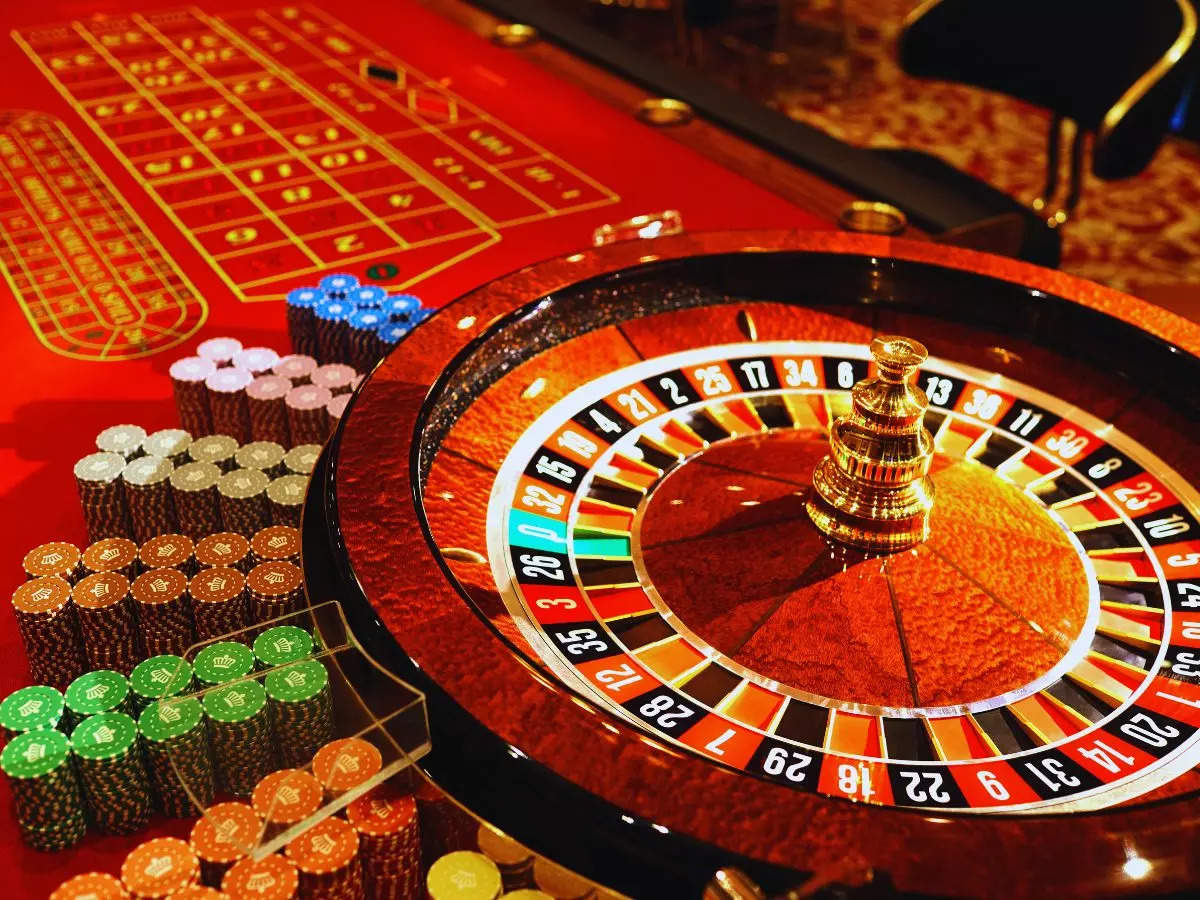
The illusion of control can be particularly strong in skill-based games like poker, where players feel their decisions significantly affect outcomes. This belief often results in overconfidence, as players may disregard sound judgment and chase losses, spiraling deeper into gambling behavior.
Chasing Losses
Chasing losses is another prevalent psychological trap that many gamblers fall into. After experiencing a loss, the urge to recover money can lead individuals to gamble more, often resulting in even greater losses. This behavior is driven by a combination of emotional responses and cognitive biases, making it difficult for gamblers to recognize when to stop.
This cycle of chasing losses can create a dangerous feedback loop, where the desire to regain control overshadows rational thinking. Gamblers often become fixated on previous losses, convincing themselves that a winning streak is just around the corner, ultimately leading to further financial distress.
The Sunk Cost Fallacy
The sunk cost fallacy plays a significant role in gambling behavior, where individuals continue to invest time and money into a losing proposition. Rather than cutting their losses, many gamblers rationalize that they must continue playing to justify their prior investments. This psychological trap often leads to further losses and increases the amount of money at stake.
Gamblers may feel compelled to recover their initial investment, which can cloud their judgment. As they dive deeper into this trap, they often neglect the fundamental principle of rational decision-making, focusing instead on past actions instead of future outcomes.
Emotional Decision-Making
Emotional decision-making is a critical factor in gambling behavior. Many gamblers make decisions based on feelings rather than logic, influenced by excitement, stress, or frustration. These emotions can lead to impulsive bets and a lack of discipline, resulting in poor choices that exacerbate gambling problems.
When emotions are high, rational thinking often diminishes, causing individuals to overlook strategies that could mitigate risks. This emotional rollercoaster can transform the gambling experience into an addictive cycle, where pleasure and pain are intertwined, making it difficult for players to recognize when they are crossing the line.

Enhancing Your Gambling Experience with Security
At Neosurf Casino, understanding psychological traps in gambling behavior is key to providing a safer gaming environment for players. By prioritizing user security and convenience, the site helps gamblers navigate potential pitfalls, ensuring they make informed decisions. With reliable payment methods and guides on responsible gambling, players can enjoy their experience while minimizing risks.
The focus on user safety and education empowers individuals to recognize and avoid psychological traps. By fostering awareness and offering support, Neosurf Casino aims to enhance the gaming journey for Australian players, promoting a balanced and enjoyable experience while engaging with various online casinos.